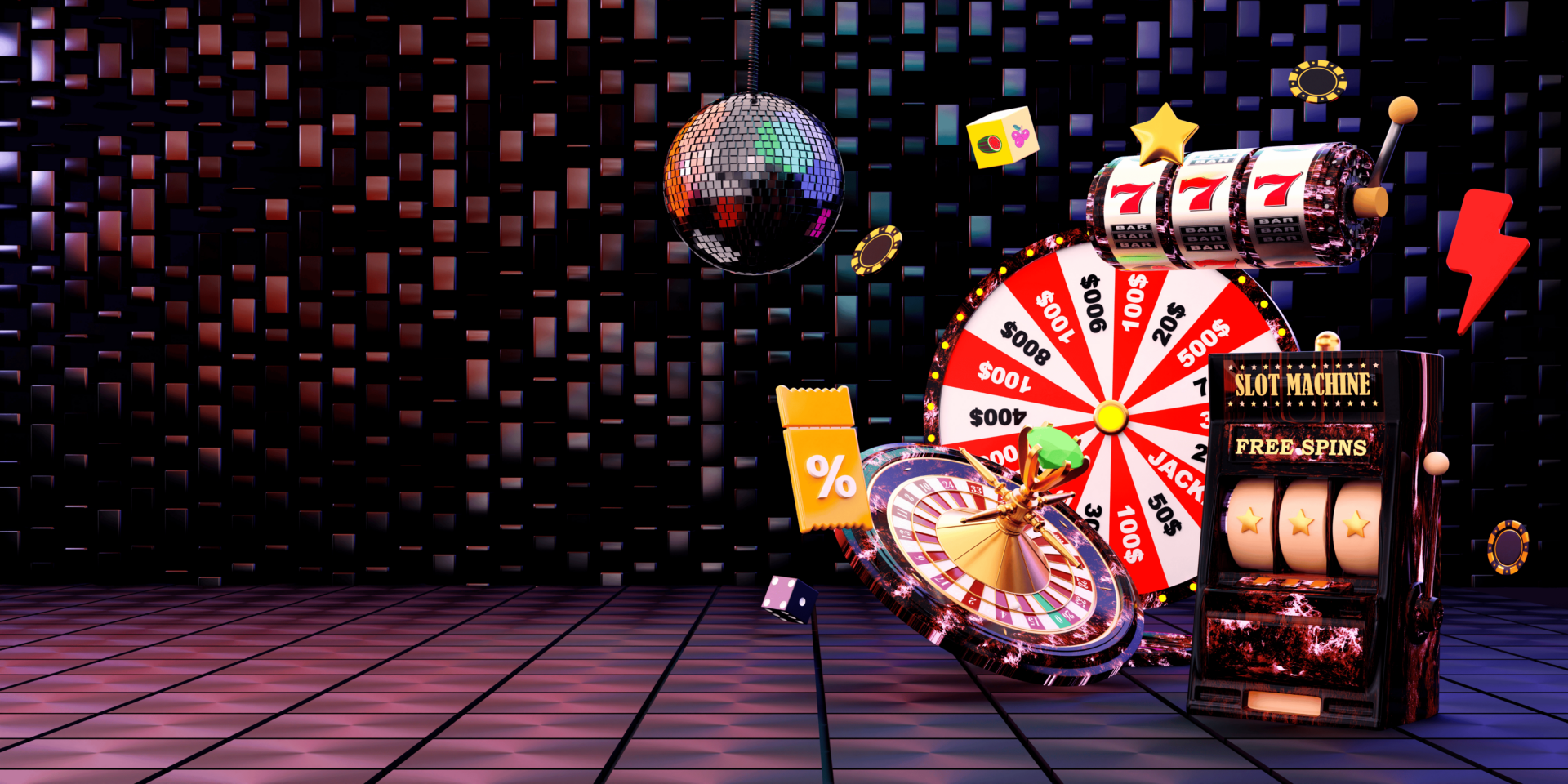
The Interface Is Built to Influence Every Decision
In online casinos, the interface is more than decoration. Every color, sound, and button placement is chosen to guide behavior. These choices aren’t random—they’re part of a larger system designed to keep players engaged and emotionally invested.
From the moment someone enters a game, the design begins shaping their actions. It doesn’t force decisions, but it makes certain paths easier to follow. That subtle influence adds up, especially over longer sessions.
A Realistic Scenario: Subtle Design Nudges Lead to More Play
A player opens a slot game. The ”Spin” button is large, central, and brightly colored. The ”Exit” or ”Back” option is smaller, often placed in a corner. Each spin triggers flashing lights and upbeat sounds, reinforcing the action. Over time, the player keeps tapping—not because they planned to stay, but because the design made staying easier than stopping.
This is how interface choices turn intention into habit. The layout steers users toward specific behaviors while making others less noticeable or harder to access.
Color Schemes Trigger Emotional States
Colors are powerful emotional triggers. Online casinos use them to generate specific feelings. Red signals urgency or excitement. Gold and yellow suggest reward and wealth. Blue can calm and reset focus during extended play.
Designers place these colors carefully. They highlight key areas like reward popups, countdown timers, or bonus features. These cues aren’t just visual—they’re emotional markers that nudge players to feel confident, excited, or even lucky.
Button Placement Encourages Repetition
Interface layouts are designed for speed and repetition. The “Spin,” “Start,” or “Play” buttons are always in the most accessible positions. These placements reduce friction and increase the chance that players will continue without second-guessing.
At the same time, options that reduce play—like “Cash Out,” “Pause,” or “Quit”—are less prominent. These are intentionally harder to reach or visually minimized. This subtle prioritization encourages players to stay in the loop longer.
Motion and Feedback Keep Players Stimulated
Animations, button vibrations, and win effects deliver constant feedback. These elements activate the brain’s reward system, even when the actual payout is small or nonexistent. The sensation of movement mimics the pace of live casino play, keeping attention locked onto the screen.
Motion gives the impression of progress. Players may feel like they’re achieving something simply because the interface responds quickly and dramatically to their input. This emotional feedback is part of what makes the experience so sticky.
Sound Design Reinforces Emotional Triggers
Every audio element in a casino game is carefully tuned. The sound of a win, even a small one, mimics success. Background music keeps rhythm steady, often increasing in tempo during high-stakes moments or bonus features.
These sounds aren’t random—they reinforce emotional states. A short chime after a loss can minimize the impact. A loud flourish after a near win can heighten the tension. Sound design amplifies the feeling that something important is always happening, even when nothing changes financially.
Interface Timing Alters Risk Perception
The timing between actions shapes how players perceive the game. Fast spins keep the pace high, leaving little time to reflect. Short delays before revealing outcomes build suspense. These timing choices control the emotional flow of play.
Delays after a near-win make it feel like something significant just happened. Instant feedback on low-tier wins keeps dopamine levels stable. The interface doesn’t just reflect emotion—it manufactures it through carefully timed responses.
Progress Bars and Levels Simulate Achievement
Many games use leveling systems, badge icons, or progress bars. These features offer a sense of growth that feels separate from actual money won or lost. Players associate visual progress with success, even when their bankroll shrinks.
These features are common in social gaming but serve a strategic function in online casinos. They create the illusion of advancement and reinforce the idea that continued play leads somewhere meaningful.
Pop-Ups and Notifications Trigger Return Behavior
Timed bonuses, countdown alerts, and daily rewards are delivered through on-screen pop-ups. These elements grab attention and often require a user to interact immediately. Their design uses color, motion, and sound to interrupt the session and redirect focus.
Pop-ups aren’t neutral—they’re emotional prompts. They suggest urgency, exclusivity, or loss prevention. Players don’t just see a message; they feel prompted to act on it, often without questioning the value of the offer.
Mobile Interfaces Maximize Touch Engagement
Touch-based interfaces increase user interaction. Swiping, tapping, and dragging enhance the sensory experience. Casino apps use these mechanics to mimic the physicality of slot machines or card tables.
By maximizing touch input, the design keeps users physically engaged. This connection strengthens emotional investment. Players don’t just see and hear the game—they feel it respond to their movement.
Emotional Design Extends Play Without Awareness
The combined effects of visual, auditory, and layout-based design often extend play sessions. Players lose track of time because the interface removes natural stopping points. Instead of signaling a break, the game responds to every action with excitement.
Over time, this design creates an emotional loop. Players continue not just to win, but to maintain the feeling of stimulation. The game becomes less about reward and more about sensation.
Design Directs Emotion, Not Just Action
Online casino interfaces do more than guide players—they shape how they feel. Each element, from button color to sound timing, works together to influence behavior. The result is an experience that feels intuitive but is deeply structured to increase engagement.
By understanding these tactics, players can make more deliberate choices. Recognizing emotional design as a system—not a natural part of play—creates space for conscious decisions. The layout may lead, but the player can still choose where to go.