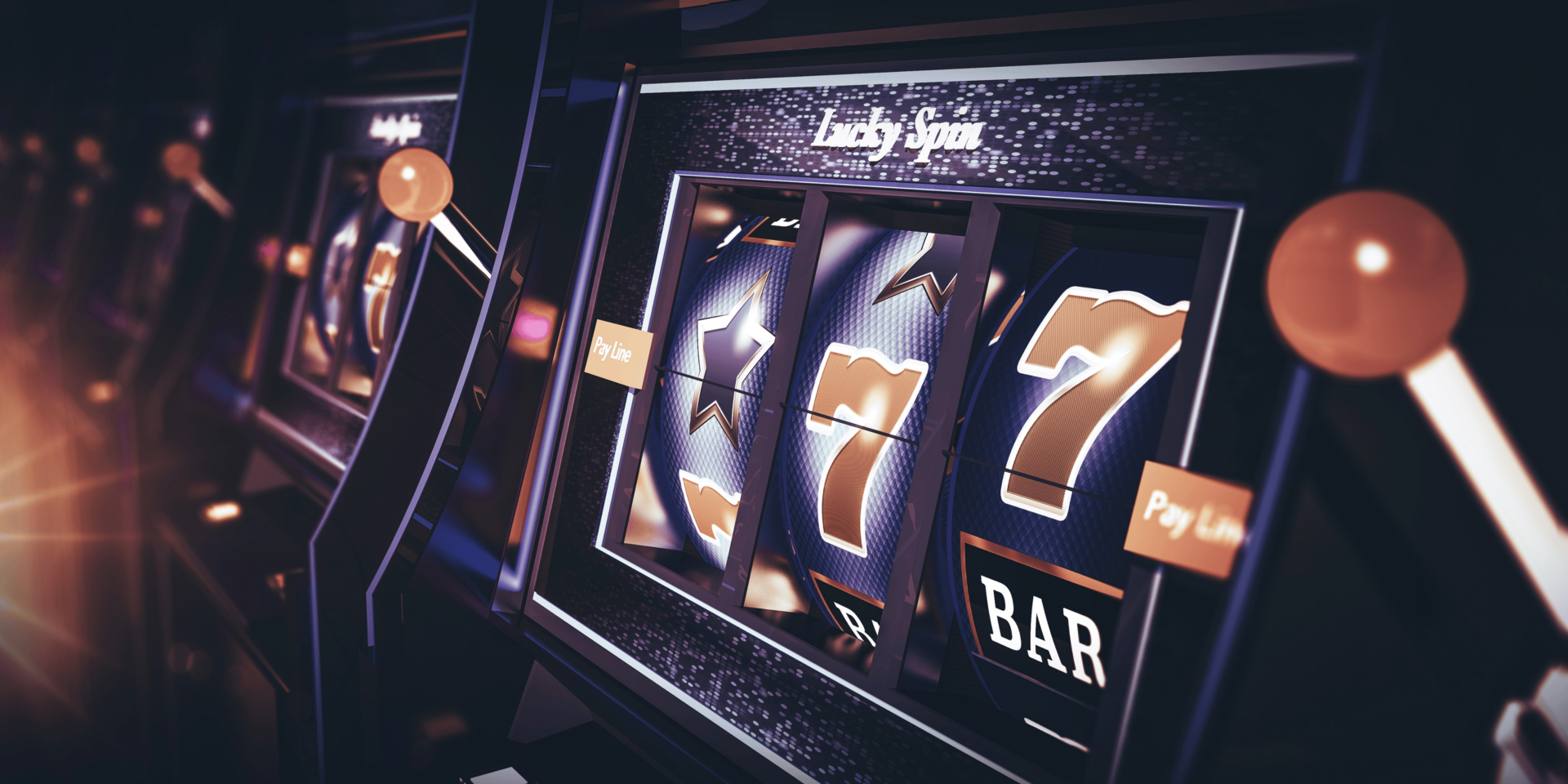
Slot Reels Are Designed to Build Anticipation
Digital slot machines use every part of the spin to create suspense. From the moment a player presses the spin button, the reels begin a carefully timed sequence designed to trigger curiosity, hope, and emotional tension.
This suspense doesn’t rely on randomness alone. Developers control the speed, sound, and visual rhythm of the reels to draw the player into the moment. Each pause, flash, and bounce is part of a script built to influence the way players feel before the outcome is even revealed.
The Delay Between Spin and Outcome Is Intentional
Digital reels never stop immediately. Instead, they spin for a few seconds, slowly revealing results one column at a time. This staggered reveal builds tension. It keeps the player guessing while holding their focus.
The first reel usually stops quickly. The second follows with a slight delay. By the time the third or fourth reel is spinning, the game has the player’s full attention. The delay becomes part of the emotional experience. It turns a simple action into a suspenseful event.
Sound Effects Increase Emotional Intensity
Slot machines use sound to signal potential outcomes. As each reel spins, different audio cues match the action. When bonus symbols appear or near-wins occur, the music intensifies, and players hear rising tones or suspenseful beats.
These sounds are not random. They’re designed to heighten anticipation. The brain reacts to rising tones with alertness. Players don’t just watch—they feel each moment, driven by the buildup in sound. This emotional spike makes the result feel more meaningful, even before it appears.
A Realistic Scenario: Waiting on the Final Reel
A player taps the spin button and watches the reels whirl. The first two stop quickly, showing two matching symbols. The third reel slows and flashes. A bonus symbol lands. The fourth reel takes longer, and the sound changes. The fifth reel spins even slower. It’s a near-win.
Although there’s no reward, the delay made the moment feel intense. The combination of staggered timing and sound created suspense. That suspense keeps the player spinning, hoping the next round will land the full match.
Visual Motion Tricks the Brain
Reels spin in a downward motion that mimics physical slot machines. This movement creates a hypnotic effect. The blur of symbols gives the illusion of speed and randomness, but the stopping point is controlled by the game’s random number generator before the reels move.
The visual delay between spin and outcome tricks the brain into feeling involved. It suggests that something is still being decided. In reality, the result is already determined—but the motion makes the suspense feel real.
Animation Highlights Key Moments
Slot games don’t stop at just showing results. They highlight symbols, flash animations, and slow down motion to emphasize suspense. When the game detects a potential win, it pauses the spin to draw attention to the final reel.
This technique creates a moment of anticipation. Even though the outcome is random, the player believes something important is about to happen. That pause before the final result adds drama. It makes each spin feel like a new story.
Suspense Keeps the Player Engaged
The emotional pull of suspense is strong. When players experience tension before each result, they stay invested in the process. They’re not just chasing wins—they’re chasing that feeling of “almost.”
Slot games use suspense to make each spin feel significant. The more suspenseful the experience, the harder it becomes to step away. Players return not just for payouts, but for the emotional arc built into every spin.
Bonus Symbol Timing Builds Anticipation
Bonus symbols rarely land all at once. Most slot games place the first bonus symbol early, then stretch the timing of the next few. This delay keeps players waiting. They believe the feature is about to trigger, even if it never does.
This staggered reveal builds false hope. It creates the illusion that the player is close to something big. That feeling of being “one away” is emotionally powerful. It drives repeat spins and increases time spent in the game.
Near-Wins Extend the Suspense Cycle
Near-wins—when two of three matching symbols appear—are common in slot design. These outcomes don’t pay out, but they create excitement. They’re framed visually and audibly to feel like real chances.
By inserting near-wins frequently, games extend the suspense cycle. Players stay emotionally activated, believing their chances are improving. This illusion of momentum encourages them to spin again, hoping to complete the pattern.
Digital Design Makes Suspense Scalable
Unlike physical slots, digital reels allow for endless variation. Developers can adjust reel speed, stop timing, and animation effects across different games. This flexibility lets them fine-tune suspense levels for different audiences.
Some games use quick spins and sharp stops. Others use slow builds and long delays. These variations keep the experience fresh and unpredictable. But the goal is always the same: use suspense to keep players emotionally attached to each spin.
Suspense Is Part of the Game
Digital slot machines are built on suspense. From spinning reels to flashing bonus symbols, every design element works to heighten tension. Players stay engaged not because of frequent wins, but because of the emotional charge built into each spin.
Understanding how digital reels use suspense to shape behavior allows players to recognize the psychological triggers at play. The spin isn’t just a function—it’s a performance. And knowing the script helps players decide when to step back.